Why Florida Humidity Matters for Concrete Coatings
Ready to get started?
Call (904) 300-1558 or request a free, no-obligation quote — we typically respond the same day.
Why Florida Humidity Matters for Concrete Coatings
Florida's climate creates unique challenges for epoxy and concrete coatings. Here's what you need to know before coating your floor.
Florida's subtropical climate isn't just uncomfortable for people — it's actively hostile to concrete floor coatings. With average relative humidity hovering between 70-90% for much of the year, moisture is the number one enemy of a long-lasting floor coating in Northeast Florida.
How Moisture Destroys Coatings
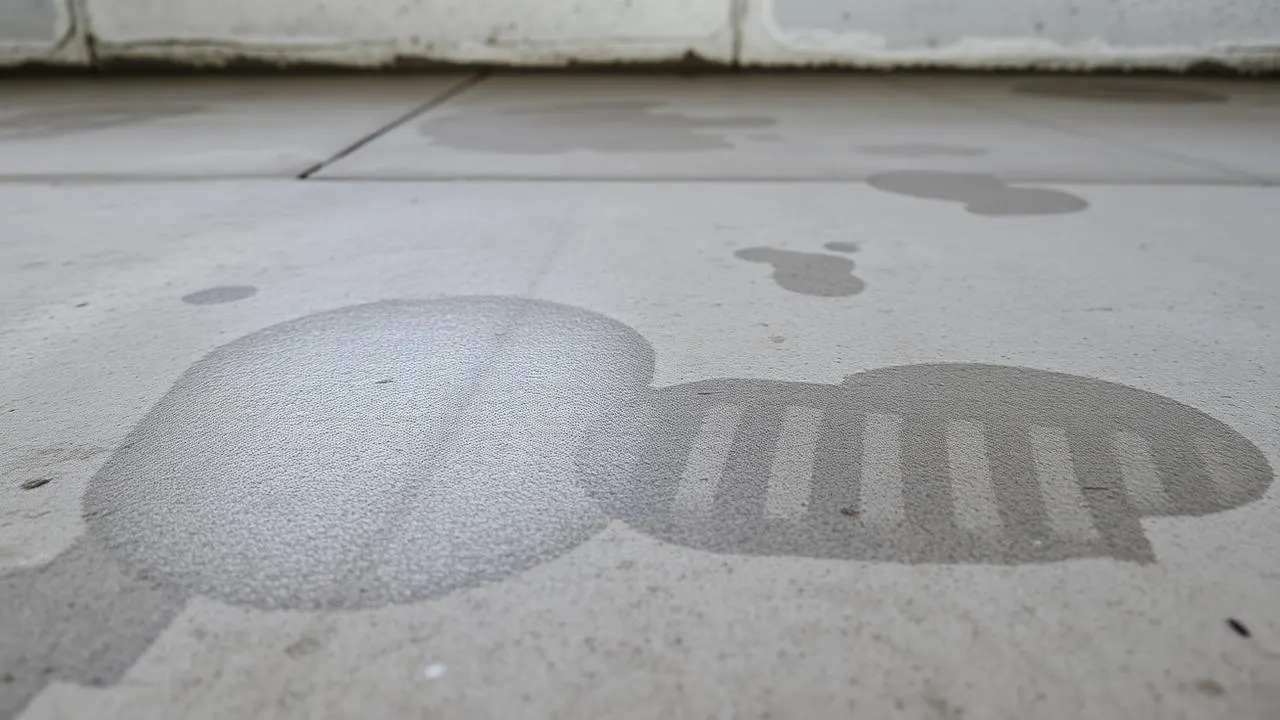
Concrete is porous. Even a slab that looks bone dry can contain significant moisture. In Florida, moisture migrates upward through the slab via a process called moisture vapor transmission (MVT). When that moisture reaches the underside of a coating, it creates hydrostatic pressure that causes:
- Bubbling and blistering of the coating surface
- Delamination — the coating lifts off the concrete
- White discoloration (called "blushing") in epoxy systems
- Fisheyes during application that create permanent defects
The International Concrete Repair Institute (ICRI) classifies moisture-related coating failures as the most common cause of floor coating problems nationwide, and the problem is significantly worse in humid climates.
Moisture Testing Is Non-Negotiable
Before we apply any coating, we perform two types of moisture testing:
Calcium Chloride Test (ASTM F1869)
This test measures the moisture vapor emission rate (MVER) from the concrete surface. A small dish of calcium chloride is sealed to the floor for 60-72 hours, and the weight gain tells us how much moisture is coming through. For most epoxy systems, the MVER must be below 3 lbs per 1,000 sq ft per 24 hours.
Relative Humidity Test (ASTM F2170)
This is the more modern and accurate test. We drill small holes into the slab and insert humidity probes that measure the internal relative humidity of the concrete. Most coating manufacturers require readings below 75% RH.
What We Do Differently
Many installers in Florida skip moisture testing entirely. They apply a coating, collect payment, and leave you to deal with the peeling a few months later. The r/epoxy subreddit is filled with horror stories from homeowners who hired cheap contractors that skipped this step.
At JAX Epoxy Floors, every project includes:
- Comprehensive moisture testing before we quote the job
- Moisture mitigation primers when MVT levels are elevated
- Vapor barrier systems for slabs with significant moisture issues
- Climate-controlled application — we monitor temperature and humidity during installation
We've built our reputation on coatings that last in Florida's climate, not just coatings that look good on day one. Read more about our approach in our article on epoxy vs polyurea.
The Bottom Line
If a contractor in Jacksonville tells you moisture testing isn't necessary, run the other way. Florida's humidity demands a higher standard of preparation, and cutting corners will cost you more in the long run.
Contact us for a free evaluation — we'll test your slab and give you an honest assessment.
Frequently Asked Questions
Ready to Transform Your Floor?
Get a free, no-obligation quote for your project in Jacksonville, St. Augustine, or Palm Coast.
Request a Free Quote