Updated November 5, 2026
Epoxy vs. Polyurea: The Honest Comparison
Why thick-build epoxy with a polyaspartic topcoat outperforms polyurea-only garage floor coatings in Northeast Florida — and why polyurea franchises spend so much energy bad-mouthing the system that's actually under their own topcoat.
The 30-second answer
40 mils thick. Fills cracks and pits. Industrial grade. Same UV-stable topcoat as polyurea systems — just installed over a real structural coating. 15–25 year lifespan. What JAX installs. Many of our floors use an epoxy base with a polyaspartic topcoat, combining epoxy's bond and build with polyaspartic's UV stability and fast cure.
4–8 mils thick — about the thickness of car paint. Can't fill cracks. Sprays on in one day, fails in 5–10 years on a humid Florida slab. Marketed as "premium" because it costs the installer more to license.
Side-by-side: 11 categories that actually matter
Compare preparation, coating layers and performance considerations for garages in Jacksonville, St. Augustine, Ponte Vedra and Palm Coast.
| Category | Epoxy + Polyaspartic | Polyurea Only | Winner |
|---|---|---|---|
| Real-world lifespan (NE Florida) | 15–25 yrs (with polyaspartic topcoat) | 5–10 yrs before recoat — vendors quietly admit this | Epoxy |
| Coating thickness | 20–40 mils (thick, structural) | 4–8 mils (thin paint-like film) | Epoxy |
| Impact & dropped-tool resistance | Excellent — absorbs impact | Chips, dents, telegraphs every flaw | Epoxy |
| Fills cracks & pits | Yes — self-leveling, hides slab defects | No — too thin, shows every imperfection | Epoxy |
| Hot-tire pickup | None when properly installed | Marketed as cure — still occurs on thin films | Epoxy |
| Chemical resistance (oil, brake fluid, battery acid) | Excellent — industrial grade | Good, but film too thin to matter long term | Epoxy |
| UV stability (outdoors / sunny garage) | Needs polyaspartic topcoat (we include it) | Inherently UV stable | Polyurea |
| Full cure / return to service | 1–2 days to full cure | Same-day return possible; confirm system guidance | Polyurea |
| Cure window in Florida humidity | Forgiving — works May–October | Sets in 5 minutes — installer mistakes are permanent | Epoxy |
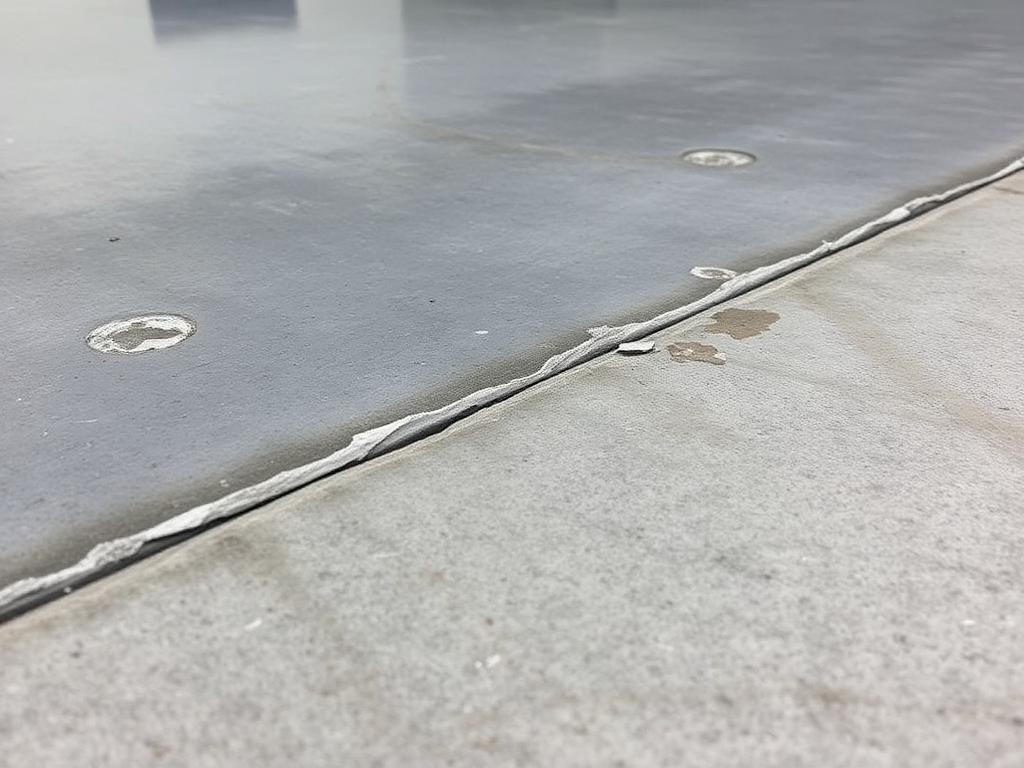
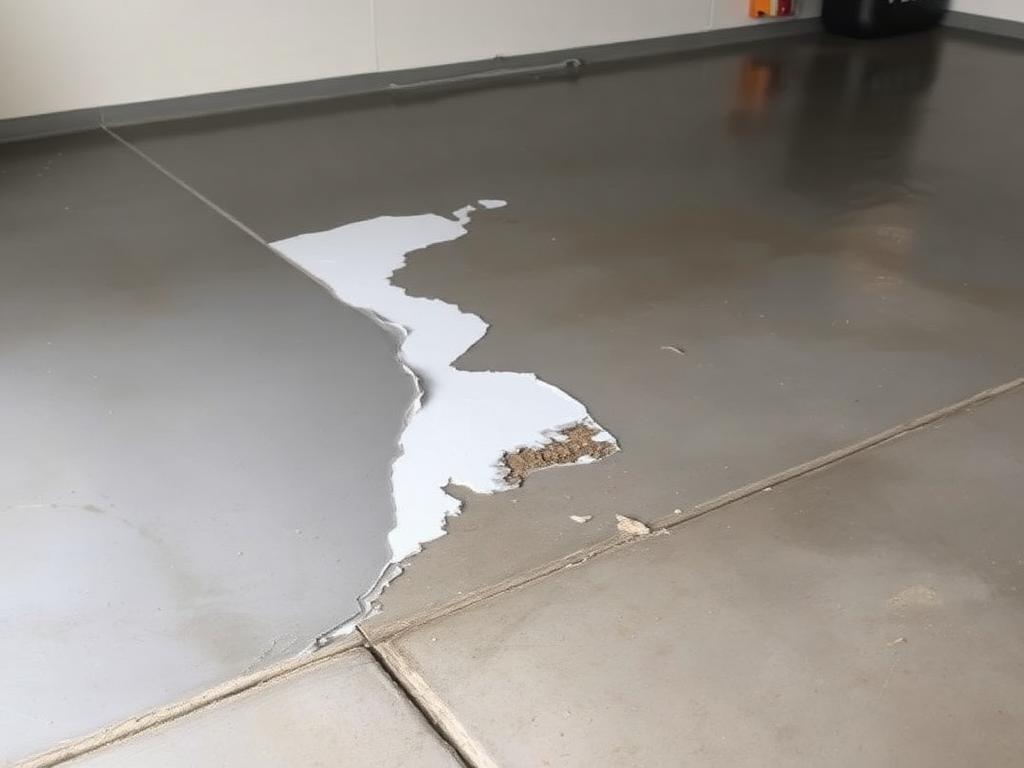
| Moisture-vapor tolerance | Vapor barrier primer available | Delaminates on damp slabs — common Florida failure | Epoxy |
| Warranty backing | Lifetime Warranty (JAX residential coatings only) | Often 'lifetime' — read the fine print | Epoxy |
Score: Epoxy wins 9 of 11 categories. Polyurea wins on install speed and inherent UV stability — both of which JAX neutralizes by including a polyaspartic topcoat in every epoxy install.
Why polyurea companies bad-mouth epoxy
If polyurea were actually better, the sales pitch wouldn't need to start with "epoxy is bad." Here's what's really going on:
- 1Polyurea sprays go down in one day, so they're built for high-volume franchise scheduling. Tearing down epoxy is the easiest way to justify a higher per-day price.
- 2Most polyurea-only installers don't own diamond grinders heavy enough for a proper epoxy prep — so they sell what they can install, not what your slab actually needs.
- 3Many polyurea franchises pay licensing fees to a parent brand and need premium pricing to support that overhead. Epoxy's lower material cost makes it harder to compete on price-per-day.
- 4Polyurea-only crews can't repair deep cracks, spalling, or pitting because their film is too thin. Bad-mouthing epoxy lets them walk away from slabs that need a real fix.
The 7 most common polyurea sales claims — debunked
"Epoxy yellows in the sun."
Bare epoxy does. That's why every reputable epoxy installer (including JAX) finishes with a UV-stable polyaspartic or polyurea topcoat. We use the same UV-stable chemistry — we just put it on top of a real coating, not instead of one.
"Epoxy is just paint."
100% solids industrial epoxy is a 40-mil structural coating with the same chemistry used in commercial kitchens, hospitals, and warehouses. Polyurea-only systems are typically 4–8 mils — that's literally thinner than the paint on your car.
"Our floor is ready the same day."
Same-day return can be useful, but speed does not replace diamond grinding, crack repair, moisture evaluation, an epoxy base, decorative flake broadcast, and a polyaspartic topcoat. Our system reaches full cure in 1–2 days; follow the care instructions supplied for your floor.
"Polyurea is 4x stronger than epoxy."
This is a tensile-strength stat taken out of context. Tensile strength matters for spray-on truck-bed liners. For a floor, what matters is compressive strength, abrasion resistance, and bond to concrete — categories where thick-build epoxy systems outperform thin polyurea films.
"Epoxy peels and chips."
It does — when installed over acid-etched or poorly prepped concrete. The same is true for polyurea, only worse, because the thin film has no thickness to mask a weak bond. Diamond grinding the slab to a CSP-3 profile is the single biggest predictor of coating lifespan, not which chemistry sits on top.
"Lifetime warranty on our polyurea floor."
Read the fine print. Most "lifetime" polyurea warranties exclude UV fade, hot-tire pickup, chemical staining, abrasion, and require annual paid inspections to stay valid. JAX writes a plain-English lifetime warranty on residential coatings that covers peeling, flaking, and delamination under normal use.
"Epoxy can't handle Florida heat."
Industrial epoxies are rated to 140°F+ continuous service. A Jacksonville garage floor in August peaks around 95°F. The actual failure mode in Florida isn't heat — it's moisture vapor coming up through the slab, which we solve with a vapor-barrier primer that polyurea-only installers don't carry.
The part neither side wants you to know
Polyaspartic IS a polyurea
When we say "epoxy with a polyaspartic topcoat," that topcoat is chemically a polyurea. We're not anti-polyurea — we're anti-polyurea-as-the-whole-system. It belongs on top, not as the entire floor.
Prep > chemistry
Diamond grinding to a CSP-3 profile predicts coating lifespan more than which resin sits on top. Polyurea franchises typically skip this step because their thin film cures too fast to fix grinding mistakes.
Florida is humid
Northeast Florida slabs hold moisture year-round. Polyurea's biggest failure mode here isn't UV — it's delamination from moisture vapor. Thick-build epoxy with a vapor-barrier primer is the only reliable fix.
Hot-tire pickup: preparation versus chemistry
Hot-tire pickup starts with the bond between concrete and coating, not simply the resin name. Diamond grinding to a CSP-3 profile removes weak surface material and gives the system a mechanical key. Chemistry still matters: an epoxy base with a suitable polyaspartic topcoat combines adhesion with resistance to tire contact.
UV and yellowing at Florida garage doors
Sunlight reaches many Florida garages through an open door, making the exposed threshold different from the shaded rear of the floor. Bare epoxy can yellow under UV exposure. JAX uses a UV-stable polyaspartic topcoat over epoxy, so the surface facing sunlight has the appropriate protection rather than leaving the epoxy base exposed.
Florida humidity, moisture vapor and vapor-barrier primers
Florida humidity and moisture migrating from below a concrete slab are related concerns, but they are not the same measurement. Moisture vapor is a leading coating-failure concern in our climate. Testing the slab before coating identifies whether a vapor-barrier primer is needed beneath the epoxy base and polyaspartic topcoat.
The multi-layer approach addresses moisture from below the slab rather than treating only the visible surface. A moisture-mitigation primer, selected for the measured conditions, sits beneath the epoxy body coat and protective topcoat. Grinding and moisture evaluation come first; no coating is a substitute for correcting an active leak or drainage problem.
Cure time: when can you park?
Our epoxy and polyaspartic coating system reaches full cure in 1–2 days. Installation time and full cure are different, so a floor that looks finished is not automatically ready for parking. Follow the care instructions supplied for your floor before returning vehicles; a competing same-day system needs its own confirmed return-to-service guidance.
Polyaspartic versus polyurea: where the topcoat belongs
Polyaspartic is part of the polyurea family, but the names do not describe an identical complete floor system. JAX uses polyaspartic as the protective topcoat over an epoxy base. That arrangement combines the epoxy body coat with a UV-stable surface, rather than asking a polyurea-only coating to perform every layer's job.
What coating failure can look like
When a polyurea-only system might still make sense
Speed can be the deciding factor for a space with a tight reopening schedule or a genuine same-day return-to-service requirement. A suitable polyurea-only system may make sense when the slab is properly prepared, moisture conditions are addressed and the installer confirms the return-to-use guidance. A faster schedule is not permission to skip preparation.
For most Northeast Florida residential garages, we recommend epoxy with a polyaspartic topcoat and moisture management appropriate to the slab. Our system reaches full cure in 1–2 days; the Lifetime Warranty applies to residential coatings only.
JAX Epoxy Floors often uses an epoxy base coat with a polyaspartic topcoat. That combination gives epoxy's bond and build with polyaspartic's UV stability and fast cure.
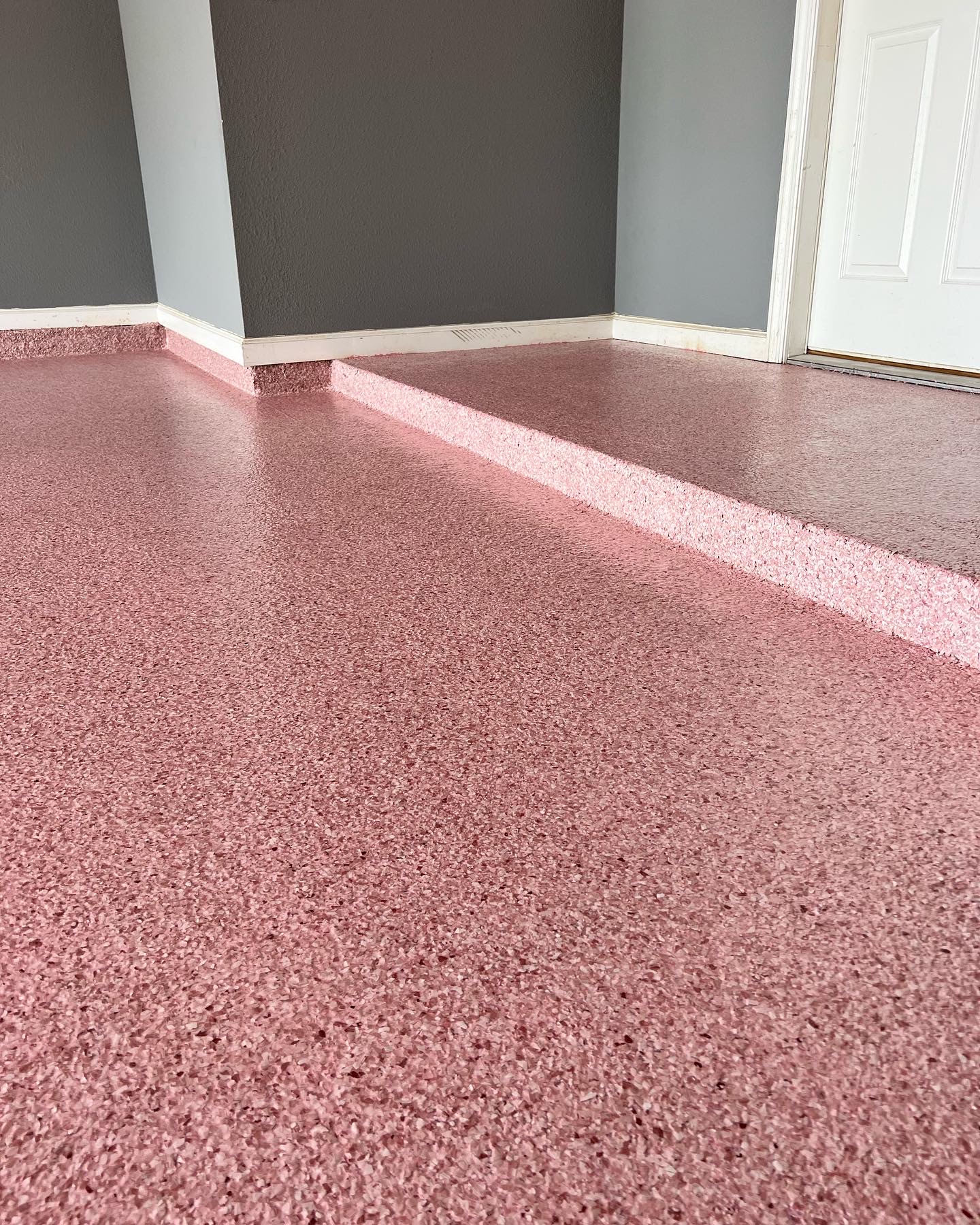
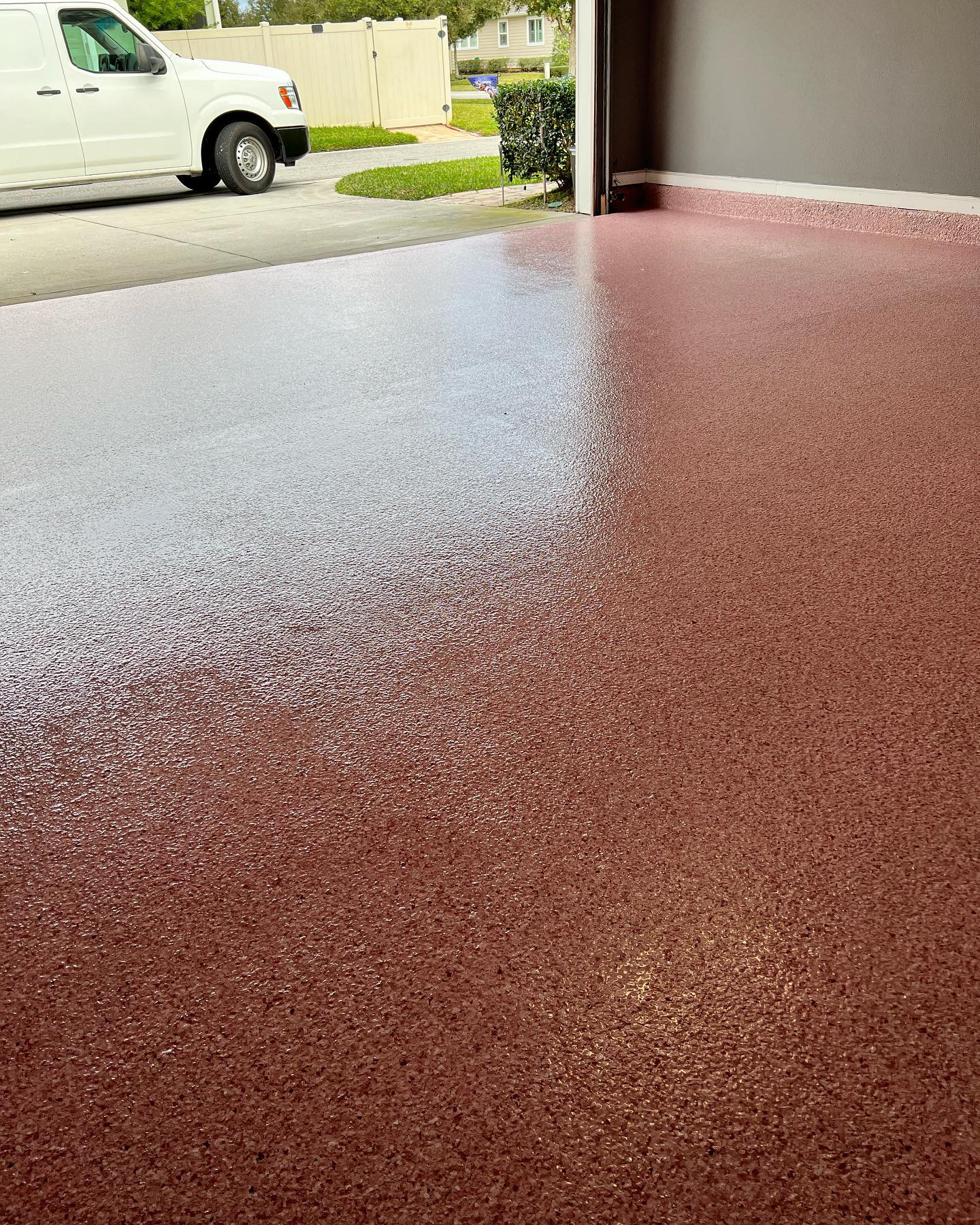
JAX Epoxy Floors garage finishes

What customers say
Google review · Pat Morrissey
Dave and his highly skilled crew went above and beyond our expectations. Responsive, fast working, courteous with an eye for detail, go with this company if you want it done right. Your neighbors will have “garage envy”.!!!
Google review · Faten Ragheb
As a homeowner who was in need of custom epoxy floors, I couldn't be more satisfied with the exceptional services provided by Jax Garage Epoxy Floors. Before we even began the project, they took the time to listen to my specific needs and understand my vision for the space.
Frequently asked questions
Is polyurea really better than epoxy?
No — not in a residential or light commercial garage. Polyurea is faster to install and naturally UV stable, but it's a 4–8 mil film that cannot fill cracks, mask pitting, or absorb impact the way a 40-mil thick-build epoxy system can. The best garage floor on the market is industrial epoxy with a polyaspartic (polyurea-family) topcoat — which is exactly what JAX installs.
Why do polyurea companies talk badly about epoxy?
Because they're often franchise-licensed installers who can only sell what they're trained to spray. Bad-mouthing epoxy lets them charge premium pricing for a thinner, faster, less repair-capable system. The reality is that the chemistry they sell as a topcoat is the same chemistry we use as a topcoat — we just put a real structural coating underneath it.
Does epoxy yellow in the sun?
Bare aromatic epoxy yellows under UV. No reputable installer leaves bare epoxy exposed. JAX always finishes with a UV-stable polyaspartic clear coat that prevents yellowing for 15+ years.
Does polyurea last longer than epoxy?
In Northeast Florida, no. We see polyurea-only floors needing recoat in 5–10 years, especially in garages with morning humidity and hot tires. A properly installed epoxy + polyaspartic system lasts 15–25 years.
Is polyurea more expensive than epoxy?
Polyurea-only quotes are often higher because of franchise overhead and one-day scheduling, not necessarily better materials. Compare preparation, moisture management, coating layers and warranty scope rather than assuming the higher quote provides a better floor.
What about hot-tire pickup?
Hot-tire pickup happens when the coating bond to the slab is weaker than the bond between the tire and the coating. It's a prep problem, not a chemistry problem. JAX uses diamond grinding to a CSP-3 profile, which eliminates hot-tire pickup regardless of topcoat chemistry.
Why does JAX recommend epoxy with a polyaspartic topcoat?
It's the best of both worlds — the structural thickness, crack-fill, and impact resistance of epoxy, with the UV stability and chemical resistance of polyaspartic. This hybrid system is the industry standard in commercial kitchens, automotive showrooms, and high-end residential garages.
Can I switch from polyurea to epoxy if my polyurea floor failed?
Yes. We've redone dozens of failed polyurea installs across Jacksonville, St. Augustine, and Ponte Vedra. The process requires grinding off the existing thin film and applying a full-thickness epoxy + polyaspartic system over a properly profiled slab.
What is better for a garage floor, epoxy or polyurea?
For most Northeast Florida residential garages, JAX recommends an epoxy base with a polyaspartic topcoat. Proper diamond grinding and moisture evaluation matter alongside chemistry. This layered system combines the epoxy body coat with a UV-stable protective surface. Our Lifetime Warranty applies to residential coatings only.
How long does polyurea last vs epoxy in Florida?
Lifespan depends on preparation, slab moisture, coating thickness, topcoat and use—not the resin name alone. JAX recommends epoxy with a polyaspartic topcoat for most Northeast Florida residential garages. Compare each installer's preparation and moisture-management scope rather than treating a projected lifespan as a warranty.
Is polyaspartic the same as polyurea?
Polyaspartic belongs to the polyurea family, but it is not a synonym for every polyurea coating or complete system. JAX installs a polyaspartic topcoat over epoxy, combining the epoxy base with a UV-stable protective surface.
Get a comparison quote — no pressure
We'll quote you a full epoxy + polyaspartic system and tell you exactly where it beats (and where it ties) the polyurea quote you already have. If polyurea is the right call for your slab, we'll tell you that too.