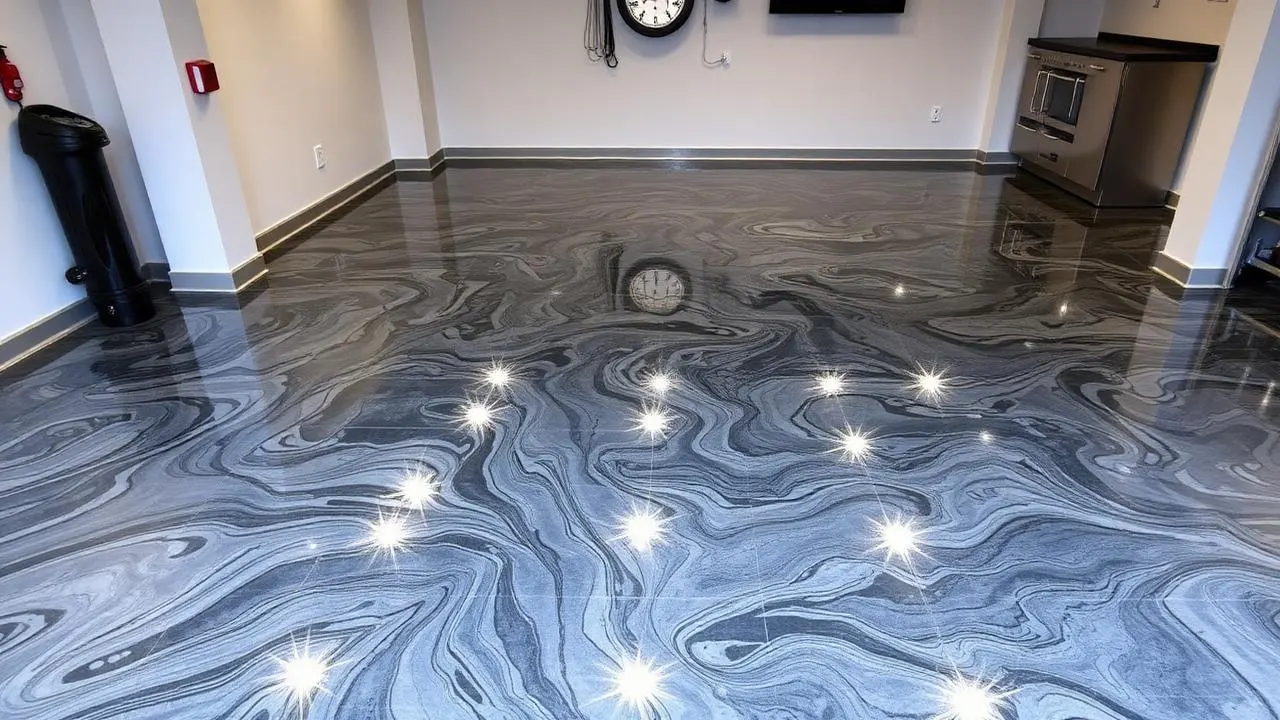
3D Metallic Epoxy Floors: The Complete Guide to Stunning Floor Art
Ready to get started?
Call (904) 300-1558 or request a free, no-obligation quote — we typically respond the same day.
3D Metallic Epoxy Floors: The Complete Guide to Stunning Floor Art
Everything you need to know about 3D metallic epoxy flooring — how it works, cost, durability, and whether it's right for your space.
3D metallic epoxy floors have taken over social media — and for good reason. These stunning, one-of-a-kind floors feature swirling metallic pigments that create an illusion of depth, movement, and three-dimensional art right beneath your feet.
But beyond the Instagram appeal, are 3D metallic epoxy floors practical? Let's break down everything you need to know.
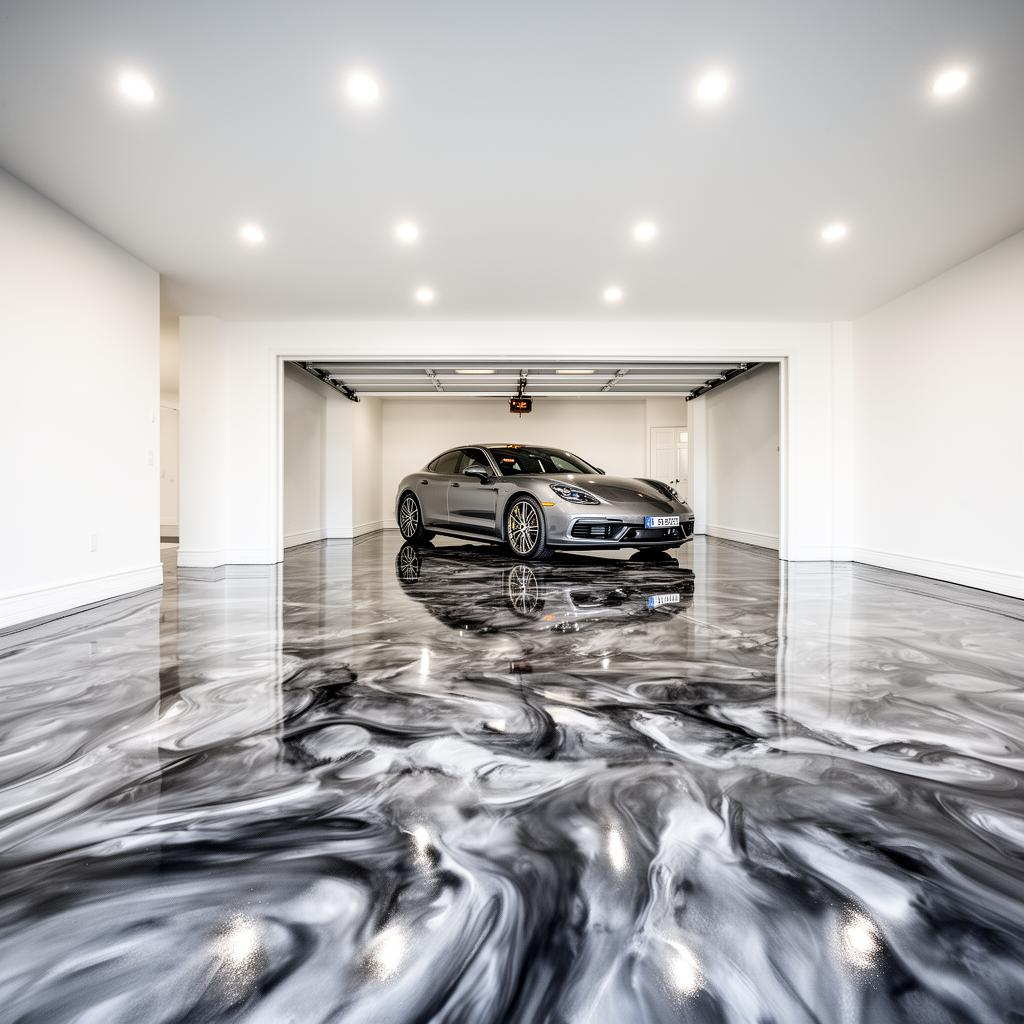
What Makes a Floor "3D Metallic"?
The "3D" effect comes from metallic pigments — typically mica-based powders mixed into a clear epoxy resin. When applied and manipulated with rollers, brushes, or heat, these pigments create flowing, marble-like patterns with remarkable depth. No two floors are ever identical.
The most popular metallic epoxy color combinations include:
- Silver and charcoal — sophisticated, modern look
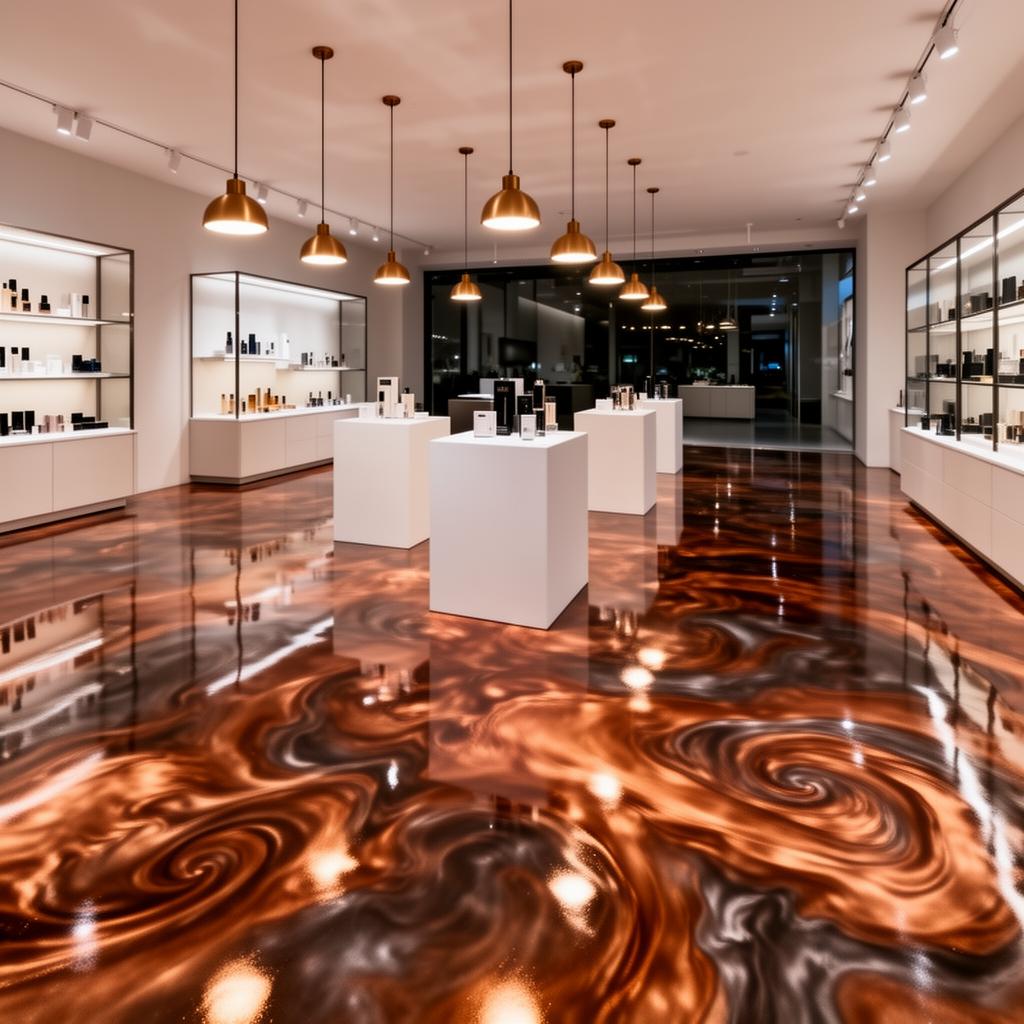
- Copper and bronze — warm, luxurious tone
- Pearl white and silver — bright, airy feel
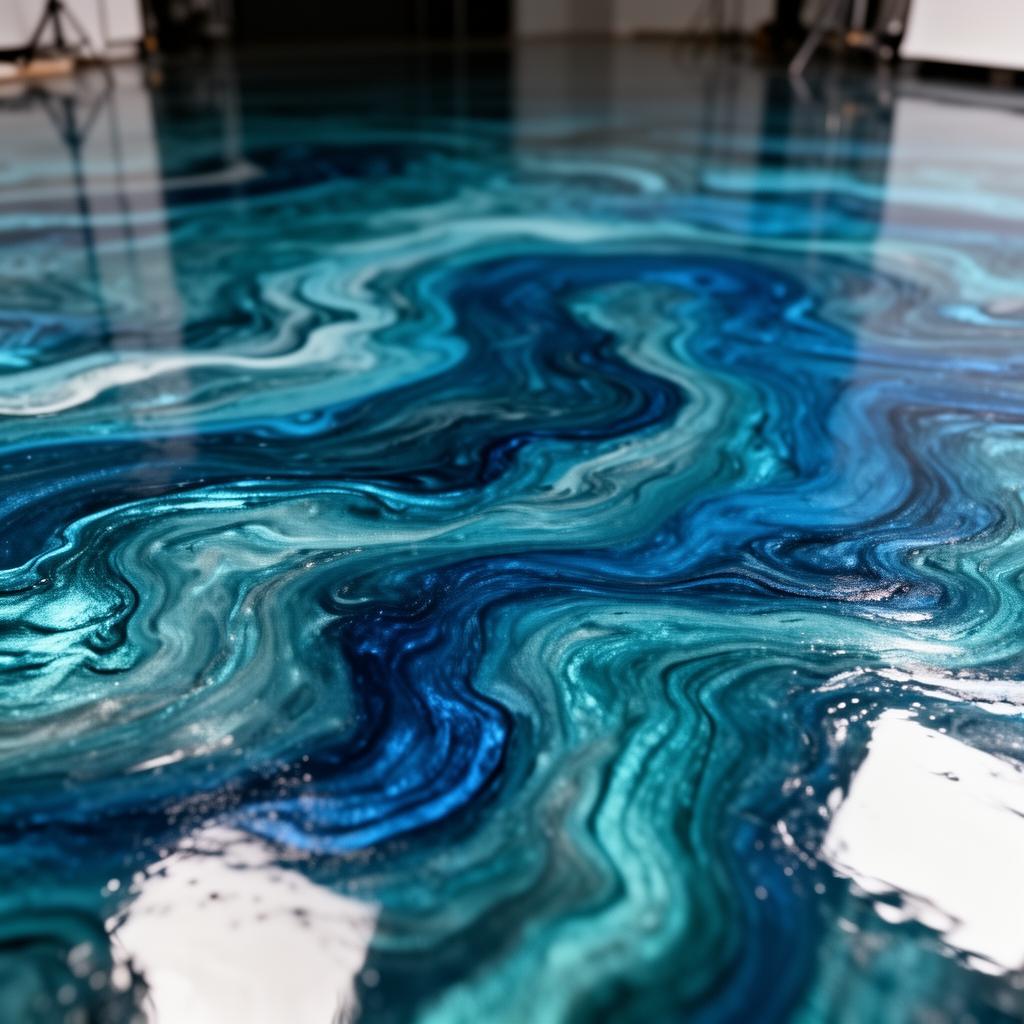
- Ocean blue and teal — dramatic, eye-catching
- Gunmetal and black — bold, industrial
How 3D Metallic Epoxy Floors Are Installed
The installation process is more complex than standard epoxy and requires significant skill:
- Surface preparation — Diamond grinding to create a proper profile (this step is critical — read our floor preparation guide)
- Primer coat — A pigmented base coat sets the background color
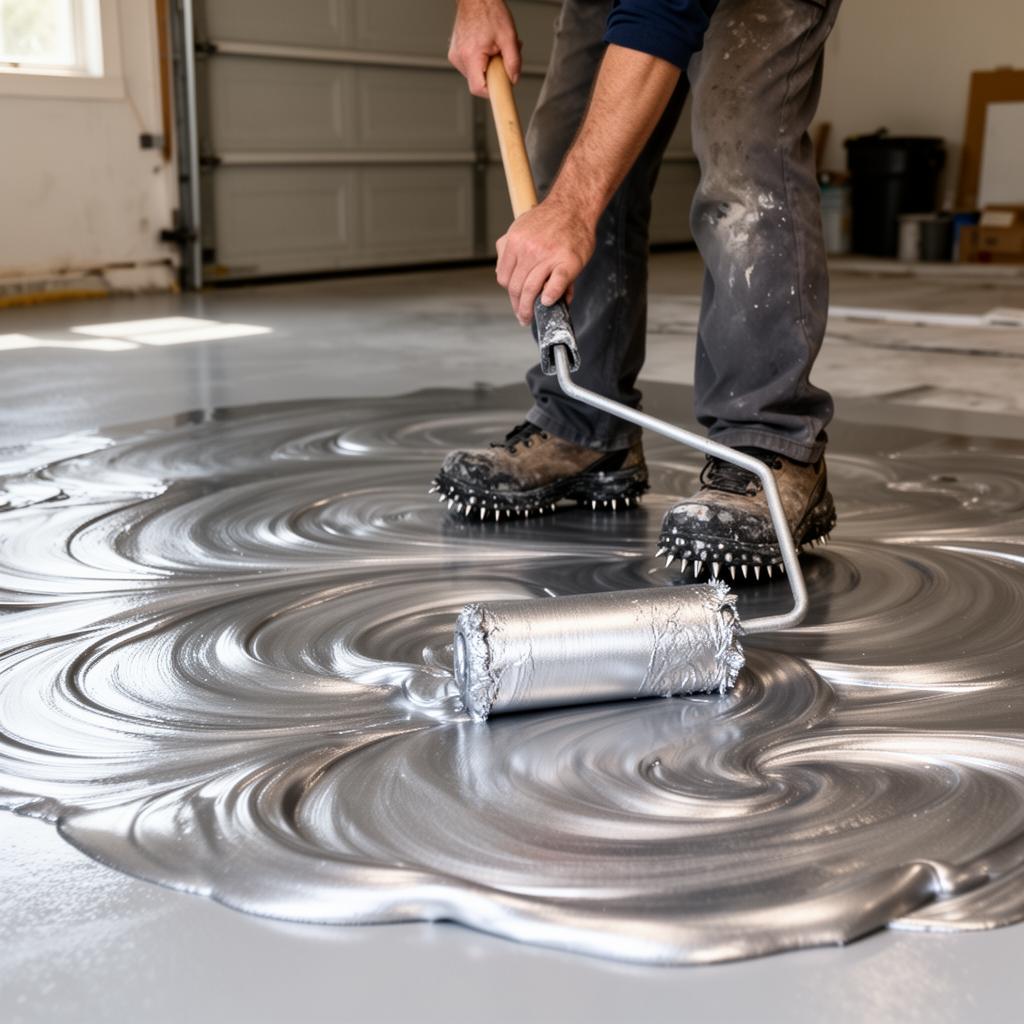
- Metallic epoxy application — The metallic pigment is mixed into clear epoxy and poured onto the floor
- Manipulation — Installers use rollers, squeegees, and sometimes heat guns to create the swirling 3D patterns
- Clear topcoat — A UV-stable polyurethane or polyaspartic topcoat protects the finish
The manipulation stage is where the magic happens — and where experience matters most. This is why metallic epoxy is not a DIY-friendly project. The r/epoxy subreddit is filled with DIY metallic floor attempts that went wrong.
Cost of 3D Metallic Epoxy Flooring
In Jacksonville and Northeast Florida, pricing depends on the space and the design:
- Residential (garage/room): pricing depends on surface condition, space size, and design
- Commercial spaces: pricing depends on project scope and materials
- Complex multi-color designs: design complexity and number of colors affect pricing
It runs higher than color flake epoxy, but the visual impact is incomparable. For the factors that shape a quote, see our epoxy flooring cost guide.
Metallic vs. Flake vs. Solid Epoxy: Side-by-Side Comparison
The three most common epoxy garage and commercial floor systems — metallic, color flake, and solid-color — each solve a different problem. This table compares them across the five dimensions homeowners and facility managers ask us about most: how it looks, how long it lasts, where it belongs, how hard it is to install, and how you care for it.
| Dimension | 3D Metallic Epoxy | Color Flake Epoxy | Solid / Standard Epoxy |
|---|---|---|---|
| Appearance & uniqueness | One-of-a-kind swirling, marbled 3D depth — no two floors alike. Reads as flowing liquid art. | Speckled, textured, granite-like look. 20+ pre-engineered blends; consistent room-to-room. | Clean, uniform single color. Predictable, industrial, easy to match. |
| Durability & lifespan | 15–20+ years with UV-stable polyaspartic topcoat. Very high scratch and impact resistance. | 15–20 years. Flake layer adds a mechanical wear surface that hides scuffs. | 10–15 years. Wears fastest because there is no decorative layer masking abrasion. |
| Best-suited spaces | Showrooms, man caves, restaurants, salons, statement garages, retail lobbies. | Garages, workshops, basements, gyms, retail back-of-house, veterinary and pet spaces. | Warehouses, utility rooms, mechanical rooms, budget garages, back-of-house commercial. |
| Install complexity & time | 2–3 days. Requires expert manipulation of pigment while wet — highest skill ceiling. Not DIY. | 1 day install; our coating system is fully cured in 1–2 days. Requires diamond grinding. | 1 day install. Simplest system but still needs full diamond grinding for adhesion. |
| Maintenance | Dust mop + damp mop with pH-neutral cleaner. No wax, no sealers. Re-topcoat every 8–12 yrs to refresh gloss. | Dust mop + damp mop. Flake texture hides dust between cleanings. Re-topcoat every 7–10 yrs. | Dust mop + damp mop. Shows tire marks and stains fastest, so mop more frequently. Re-topcoat every 5–8 yrs. |
The short version: if you want a floor that looks like art, metallic is the only option. If you want durability plus slip resistance for daily use, flake is the smart middle. If you want the lowest-cost professional coating that still beats the box-store kit, solid color is the right answer. All three vastly outperform paint, kit floors, or one-part epoxy from a big-box retailer. For pricing factors, see our epoxy flooring cost guide and polished concrete cost guide.
More Real Job-Site Photos Coming Soon
We are actively expanding the visual proof on this page. The following in-situ shots from recent Jacksonville, St. Augustine, and Palm Coast installs are queued to be added here — this section is a deliberate placeholder so the next photo drop slots straight in.
- [Photo placeholder] — Before/after pair of a two-car residential garage: bare stained slab → finished silver/charcoal metallic pour.
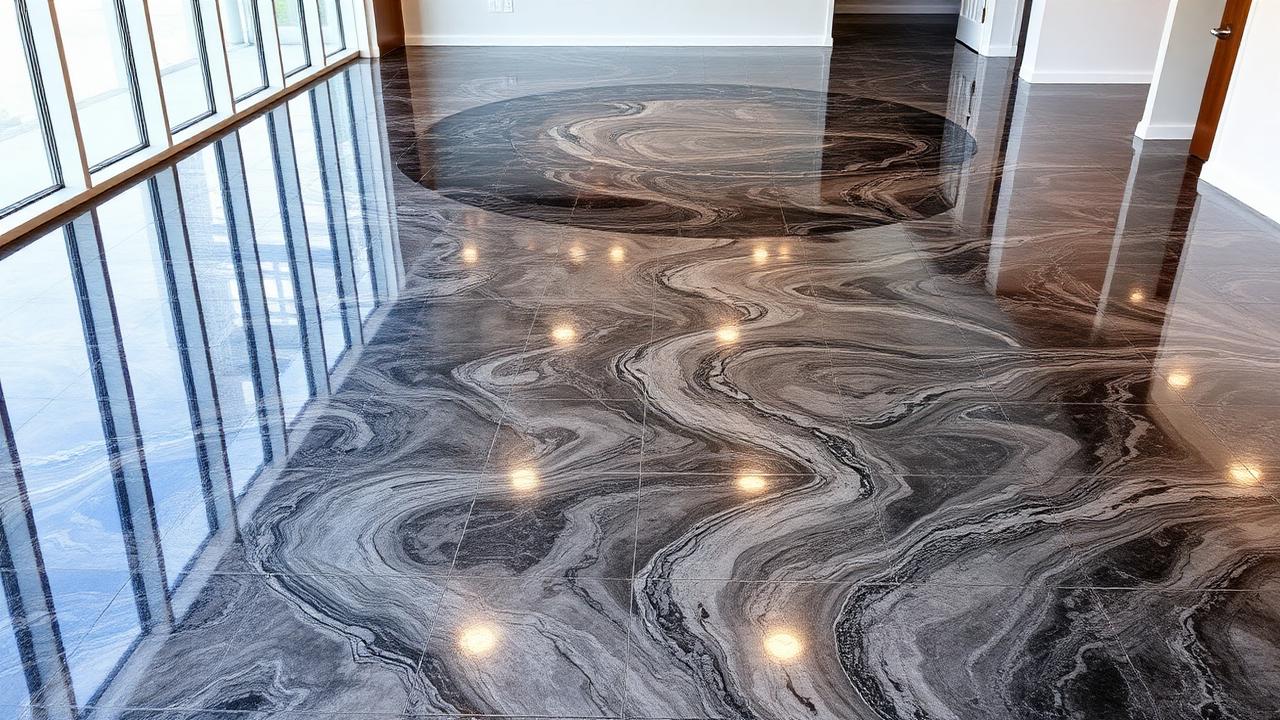
- [Photo placeholder] — Overhead shot of a completed metallic pour showing full swirl continuity across a 600+ sq ft space.
- [Photo placeholder] — Detail of a metallic epoxy cove-base transition where the floor meets the wall (a common quality tell).
- [Photo placeholder] — In-progress torch/heat-gun manipulation shot showing pigment "blooming" during install.
- [Photo placeholder] — 12-month follow-up photo of a completed metallic floor under real daily use, showing scratch and gloss retention.
If you'd like your finished floor featured (with your permission) in a future update to this guide, mention it when you request a quote.
Where Do 3D Metallic Floors Work Best?
Metallic epoxy floors are ideal for:
- Man caves and entertainment rooms — Create a showpiece floor
- Retail showrooms — Make a lasting first impression
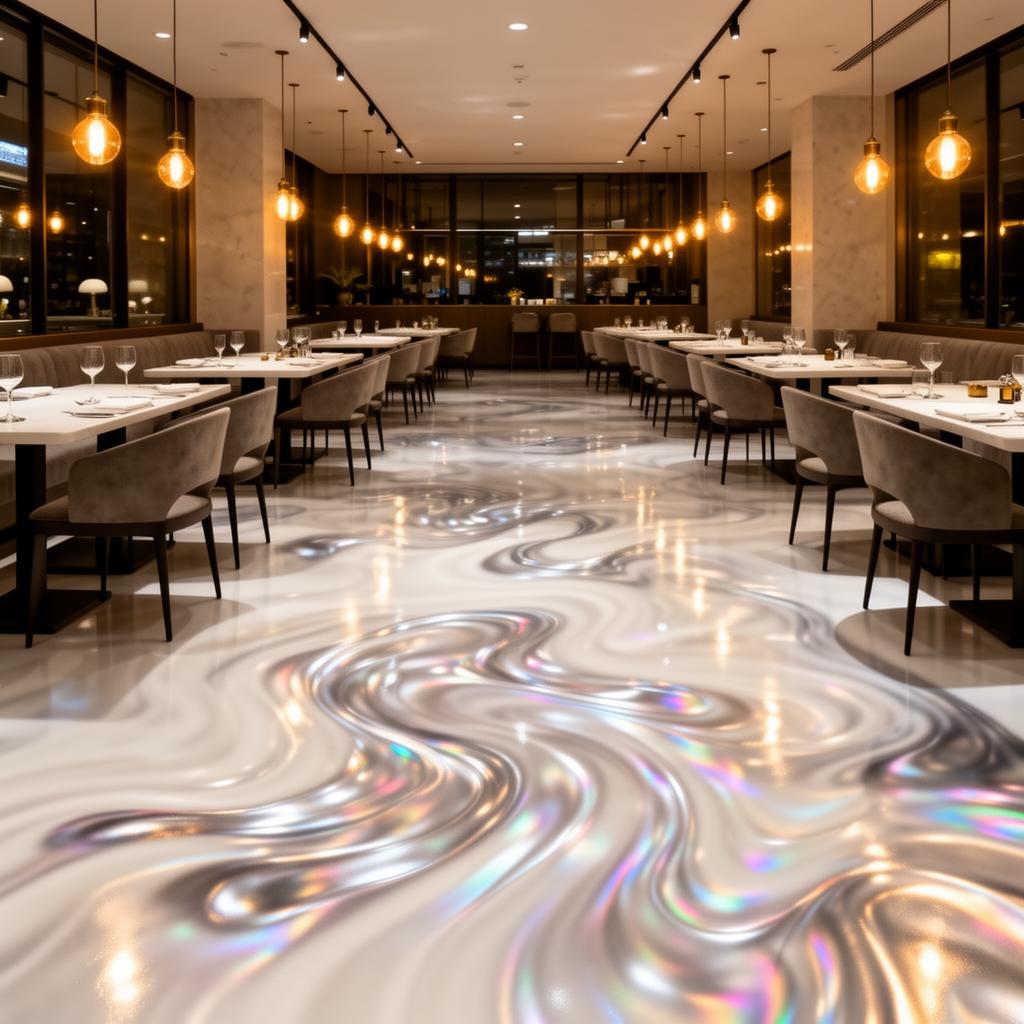
- Restaurants and bars — Unique ambiance that customers photograph and share
- Salons and spas — Luxurious, high-end aesthetic
- Garage floors — The ultimate garage transformation
They work less well in heavy industrial settings where industrial coatings provide better protection against chemical exposure and heavy equipment.
Durability and Maintenance
Metallic epoxy floors are extremely durable when properly installed:
- Lifespan: 15–20+ years with proper care
- Scratch resistance: High — the clear topcoat handles daily wear
- Chemical resistance: Moderate to high, depending on topcoat
- UV stability: Modern systems with polyaspartic topcoats resist yellowing
- Maintenance: Simply dust mop and damp mop — no waxing or special cleaners needed
3D Metallic Epoxy vs. Polished Concrete
Both create stunning visual effects, but they're fundamentally different:
| Feature | 3D Metallic Epoxy | Polished Concrete |
|---|---|---|
| Appearance | Swirling, artistic patterns | Clean, reflective surface |
| Customization | Unlimited color options | Limited to natural concrete |
| Maintenance | Low | Very low |
| Durability | 15–20 years | 20+ years |
For more on polished concrete, see our polished vs epoxy comparison.
Get a 3D Metallic Epoxy Floor in Jacksonville
At JAX Epoxy Floors, our team has installed hundreds of metallic epoxy floors across Jacksonville, St. Augustine, and Palm Coast. We use premium metallic pigments and UV-stable topcoats to ensure your floor looks stunning for decades.
Every metallic floor is a collaboration — we work with you to choose colors, patterns, and effects that match your vision. Request a free quote or call us at (904) 300-1558 to discuss your project.
Frequently Asked Questions
Ready to Transform Your Floor?
Get a free, no-obligation quote for your project in Jacksonville, St. Augustine, or Palm Coast.
Request a Free Quote