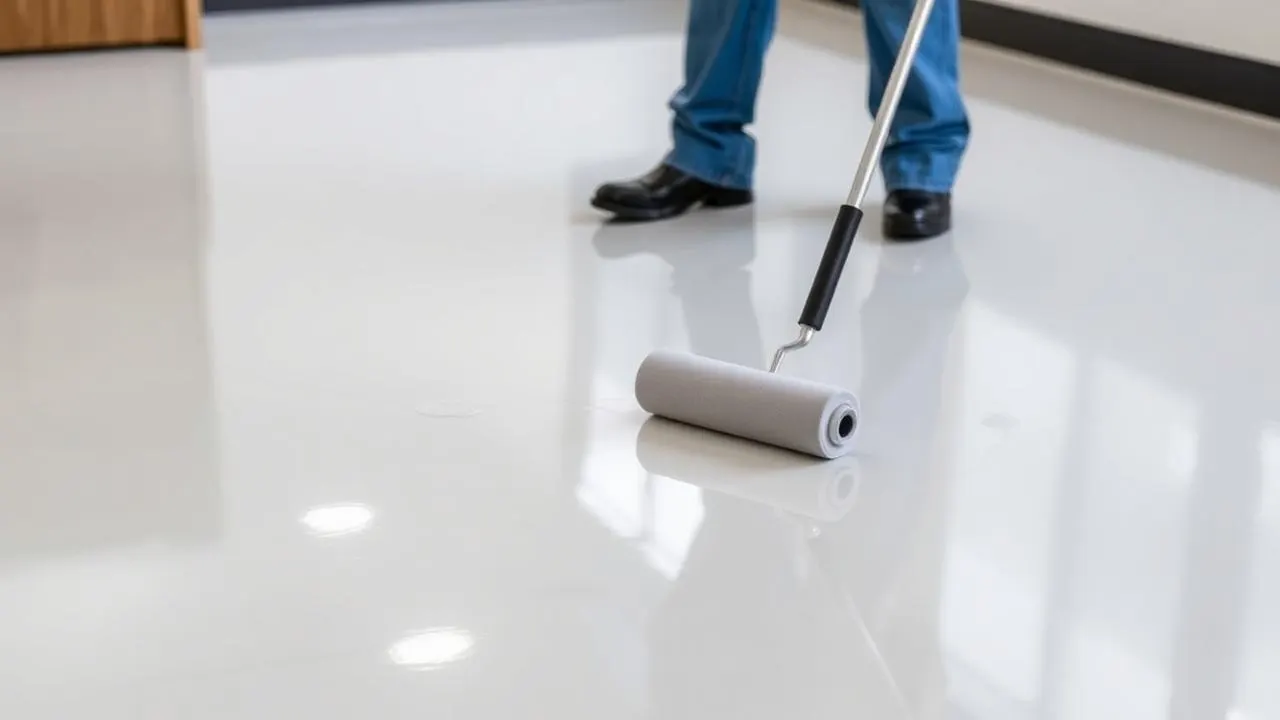
The Benefits of Polyaspartic Floor Coatings
Ready to get started?
Call (904) 300-1558 or request a free, no-obligation quote — we typically respond the same day.
The Benefits of Polyaspartic Floor Coatings
Polyaspartic coatings cure faster and resist UV better than traditional epoxy. Learn when they're the right choice.
Polyaspartic coatings are a relatively newer technology in the floor coating world, and they've gained significant traction for good reason. They're not a replacement for epoxy — they're a complement that addresses some of epoxy's weaknesses.
What Is Polyaspartic?
Polyaspartic is a type of polyurea coating. It's a two-component system (resin + catalyst) that creates a clear or pigmented film with several advantages over traditional epoxy:
Speed
Polyaspartic coatings cure in 2-6 hours compared to 12-24 hours for epoxy. This means:
- Faster return to service
- Entire garage floors can be coated in a single day
- Less weather dependency during installation
UV Stability
Traditional epoxy yellows and chalks when exposed to UV light. Polyaspartic coatings are inherently UV stable, making them ideal for:
- Garage floors near open doors
- Outdoor covered areas
- Any space with significant sunlight exposure
Temperature Flexibility
Polyaspartic can be applied in temperatures from 35°F to 100°F+, a much wider range than epoxy (50°F-90°F). This gives more scheduling flexibility, especially in Florida's variable winters.
Chemical Resistance
Comparable to or better than epoxy for most common chemicals, including automotive fluids, household cleaners, and mild acids.
When We Use Polyaspartic
At JAX Epoxy Floors, we most commonly use polyaspartic as a topcoat over epoxy. This gives you the best of both worlds:
- Epoxy base coat — excellent adhesion, chemical resistance, and build thickness
- Polyaspartic topcoat — UV stability, abrasion resistance, fast cure, and beautiful gloss
This combination outperforms either product used alone. It's discussed extensively in flooring forums as the professional standard.
Polyaspartic-Only Systems
Some installers promote "one-day" all-polyaspartic systems. While convenient, there are trade-offs:
- Thinner coating — polyaspartic is typically applied at lower mil thickness than epoxy
- Higher material cost — polyaspartic resin costs more than epoxy
- Limited pot life — fast cure means less working time, which can lead to roller marks in large areas
For small spaces where speed is critical, all-polyaspartic systems work well. For larger projects, we prefer the epoxy + polyaspartic combination.
Contact us to discuss which system is right for your project.
Frequently Asked Questions
Ready to Transform Your Floor?
Get a free, no-obligation quote for your project in Jacksonville, St. Augustine, or Palm Coast.
Request a Free Quote